

SEP 06, 2026
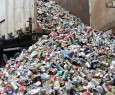
That half-full can of soda or container with a little sauce left inside your load may not look significant, but it can affect the value negatively. During collection, food items or liquids don't just vanish. They leak, spread, attract bacteria, produce odor, and contaminate other materials that can be recycled.
At RCM Recycling our experts are aware of how quickly items might become unsuitable for recovery if they are mixed with leftover food and drinks.
Containers have the ability to cause problems. When they are damaged or moved in the collection, a little soup, cooking oil, sauce, or leftover drink may leak out. And whatever it comes in contact with is then covered in that residue.
A dirty container can cause the contamination of many other nearby clean items.
Liquids also create problems because of their mobility. Even when a bottle looks empty, it may contain water, juice, milk, or soda, and these liquids could spill onto other items.
Milk and other organic liquids, when left to sit, give off unpleasant smells. That's not all. Sugary drinks can leave sticky residue while cooking oil spreads easily, making it hard to remove once it settles. The suitable practice is to empty containers completely before considering scrap metal recycling.
Food residue works quietly in the background. Oil and organic material can get on the surface of anything that comes into contact with a greasy pizza box, a sauce-covered container, or a can with leftover food in it. This matters because scrap metal recycling in Zebulon, GA relies on the material being clean enough to be recycled without any additional handling.
If food residue spreads around a load, sorting slows down. Some food may not be recoverable at all. This can be prevented by a quick rinse to remove any loose particles.
When food and drink combine to form a load, it's much harder to sort out the usable material from the unusable one. Sometimes, dropping off a contaminated item at a scrap yard requires even more attention before it can proceed to the next step. However, the contaminants are not always obvious at first glance.
A container that looks good externally can have a sufficient amount of residue that could destabilize your load.
Dirty metal is an avoidable headache for scrap metal buyers. When food, drink residue, and grease remain in the cans or containers, it is more challenging to fairly weigh, sort, and process otherwise valuable material.
The risk is eliminated by emptying the container and rinsing when needed. This little habit does a lot to impact the ease of material movement through the system.
It is easier to prevent contamination than to deal with it later. Even before collection, try to empty the containers, scrape off leftover food residue, then rinse obvious residues from grease containers. Such practices will help prevent liquids and grease from spreading across an entire load.
Food and liquids can transform recyclable materials into waste. This is how: leftover drinks leak, grease spreads, and food residue contaminates items that it never directly touched.
Emptying and rinsing containers breaks that chain before it starts, which is part of the practice RCM Recycling continues to promote. If you need help with your load, do not hesitate to contact us.