

SEP 13, 2026
Most people toss an empty soda can into the recycling bin without a second thought. But this little piece of aluminum is in for an amazing journey. Within two months, it will be melted down, reshaped, filled, and returned to the store shelf.
This fast cycle happens every day at RCM Recycling, proving that recycling is one of the most effective and organized systems in the modern world of industry. Here is a closer look at exactly how a single can makes its way from your bin back to the shelf.
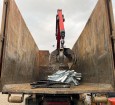
Once you've emptied your recycling bin, the journey starts. Trucks pick up cans from homes, businesses, and public bins before they deliver them to a recycling facility. Then, the machines and workers extract aluminum from glass, plastic, and paper using magnets and eddy currents, which push aluminum out of the waste with amazing precision.
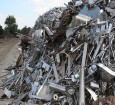
Many of these facilities work directly with the scrap metal buyers, who receive the sorted aluminum after it is crushed and compacted into dense bales, ready for shipping to the next stage.
Prices for aluminum are determined by the level of purity, the weight, and the present market demand, which may vary from week to week in response to global supply. The sorting stage is critical in scrap metal recycling as it determines how quickly scrap is moved from local depots to a bigger processing plant instead of being stored for weeks at a time.
In a processing facility, the aluminum bales are melted in large furnaces operating at temperatures greater than 1,200 degrees Fahrenheit. The coating, label, and impurities are then removed from the melted aluminum, and the cleaned material is poured into molds to produce long ingots.
At this stage, the role of a well-managed scrap yard is quite crucial in providing clean and sorted material. This ensures the melting process runs smoothly.
Once cooled, the ingots are rolled into thin sheets of aluminum, then stamped and shaped into the familiar cylinder form used for beverages. This is all dependent on the reliability of the supply chain. And for many manufacturers, they work directly with the scrap metal buyer in Peachtree City, GA to ensure a steady flow of ingots arrives on time as any gap in the supply can cause production lines to slow down drastically.
The timely operation of the cycle depends on the local recycling infrastructure. RCM Recycling works closely with collection stations to ensure aluminum goes through each stage without unnecessary delays. If not careful, a short delay can throw the sixty-day timeframe off track and disturb the steady flow that the entire industry relies on.
After the cans are formed, they are cleaned, printed, beverage-filled, sealed, and distributed. They are then put back on the store shelves, ready to be purchased again.
Because of this fast and repeatable cycle, scrap metal recycling is considered one of the most effective material loops in modern manufacturing.
Finally, next time you put a soda can in the recycling bin, think of how far its journey has just begun. It might be on a shelf as a brand new can in sixty days, ready for someone else to enjoy. This is a fast and effective cycle which shows the potential of what we consider as trash, and how little actually goes to waste, when the right systems are in place.
At RCM Recycling, we help keep this process moving by converting common waste to a resource that never truly disappears.