
MAY 14, 2026
Construction projects produce a wide range of scrap metals, including steel beams, copper wiring, rebar, aluminum siding, and more. Recycling construction site scrap metal comes with financial gain, reduced disposal costs, and environmental sustainability. Scrap yards accept both ferrous and non-ferrous metals, offering top dollar for copper and its alloys. Failing to recycle scrap metal can lead to environmental hazards, wasted revenue, and increased project costs.
In this post, RCM Recycling shares tips for recycling construction site scrap metal. As a trusted scrap metal recycling company, we understand the benefits of recycling scrap metal and how to do it effectively. Keep reading to learn more.
Identify expected scrap types (copper wiring, steel beams, aluminum siding) during the planning phase to determine necessary, strategically placed container sizes and locations. You’ll be surprised to learn that not many contractors take the time to plan for efficient scrap handling before demolition or construction begins. Without a proper strategy, recyclable materials often end up mixed together, contaminated, or discarded entirely.
Use a magnet to distinguish between ferrous (magnetic, lower value) and non-ferrous (non-magnetic, higher value) metals. Keep copper, aluminum, and stainless steel in separate, smaller, designated bins for higher returns. Sorting recyclable materials at the source improves efficiency, reduces contamination, and maximizes the value of your scrap metal. When metals are mixed together, scrap yards often spend additional time separating them, which can lower payouts and slow down processing.
Clean scrap metal pays more. This is because clean materials require less labor to separate or clean at the scrap yard, resulting in a higher-grade price. Remove contaminants such as plastic insulation from wiring, paint, wood, or dirt. Clean, sorted, and separated metal fetches higher prices per pound than mixed, dirty scrap. Most scrap yards appreciate when you bring in clean scrap metal.
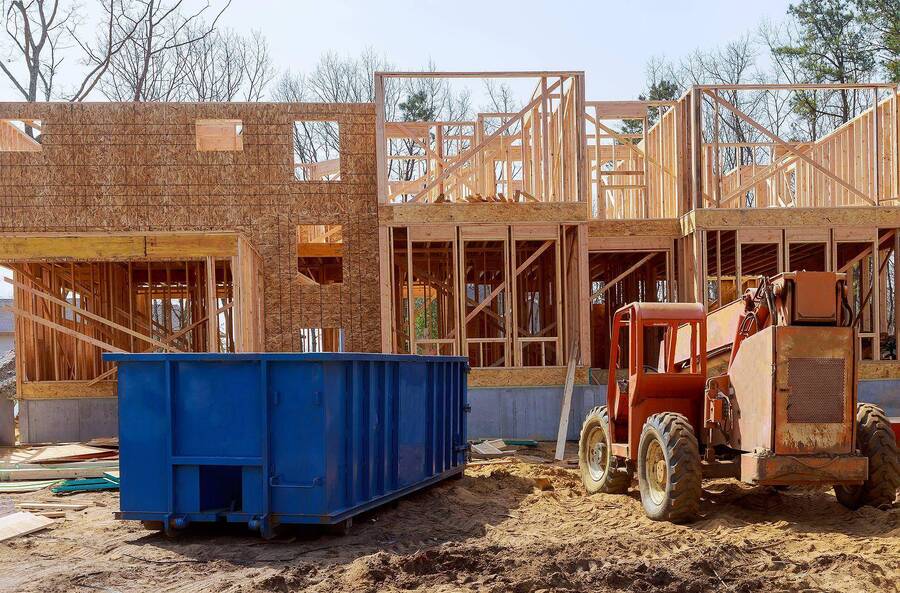
Rent dedicated, clearly labeled roll-off dumpsters or bins specifically for scrap metal, keeping them easily accessible for crews to prevent debris from mixing. Sorting construction site scrap metal increases payout by 30-50%. It also ensures accurate grading for recyclers, improves processing efficiency, and promotes sustainability. Renting a roll-off dumpster doesn’t just streamline scrap metal recycling; it also enhances worksite safety, saves you money, and improves operation efficiency. Look for a dumpster rental company with a proven track record and
Plan for high-volume periods. For example, during demolition, place large containers immediately. During MEP (mechanical, electrical, plumbing) phases, collect copper pipe cutoffs immediately before they are lost in general waste. This is important because different stages of construction and demolition generate different types and volumes of scrap material.
A hassle-free scrap metal recycling experience starts with partnering with a dependable recycler. Remember, all scrap metal companies are not created equal. Find a certified, local metal recycling facility that offers competitive, transparent pricing and reliable, prompt pickup services. Check Google reviews, Yelp, and social media for client experiences to gauge trustworthiness. Ask them for proof of licensing and compliance with environmental regulations. RCM Recycling is one of the scrap metal buyers you can count on when you’re looking for a trusted recycler.
Ready to sell your construction site scrap metal? Get in touch with RCM Recycling. With years of experience in the scrap metal recycling industry, we’ve earned the trust of scrap metal sellers through reliable service. We offer same-day payments, competitive rates, convenient pickup service, and eco-friendly recycling. Call us now or send an online message to request a quote or schedule pickup.