

APR 05, 2026
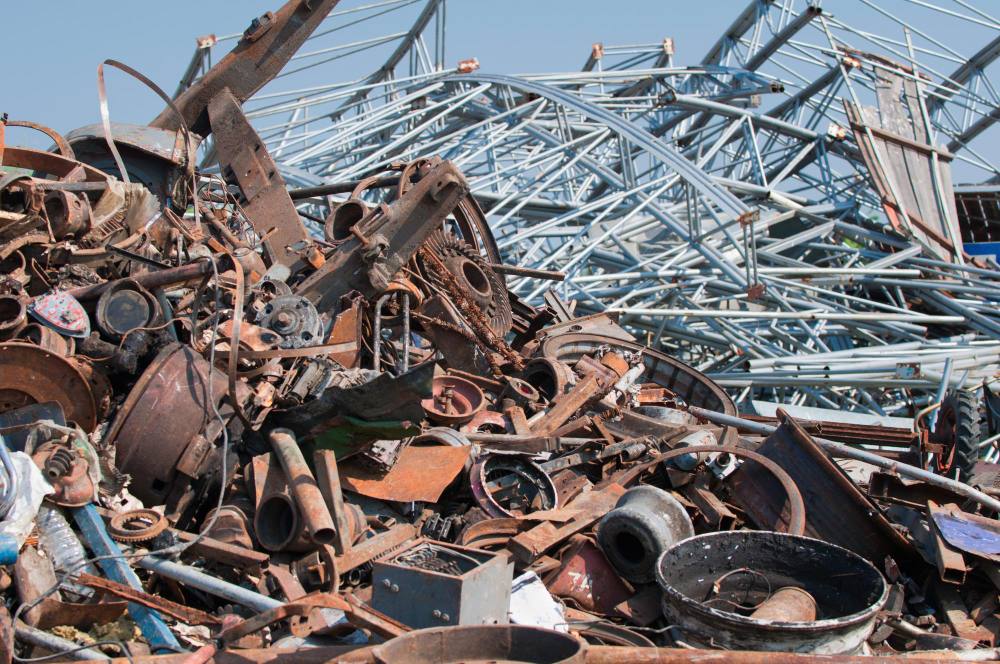
Scrap metal buyers accept a wide range of recyclable items, keeping them out of the landfills. They play a key role in environmental protection, waste management, value addition, and industrial supply chain support. However, they can sometimes be picky about what they accept and won’t pay top dollar for inferior metals.
Scrap metal buyers test metals to determine their true market value, detect contamination, and separate ferrous metals from non-ferrous metals. If you’re looking to get started with scrap metal recycling, it’s worth knowing how buyers test metals. This will help you get the most bang for your buck. In this post, RCM Recycling explains how scrap metal buyers test metals for purity and value.
The first step in evaluating scrap metal is a basic visual inspection. Experienced scrap metal buyers can identify common metals such as copper, brass, aluminum, and steel just by looking at their color, texture, and weight. For example, copper has a distinct reddish tone, while aluminum is lighter and has a dull silver appearance.
Scrap metal buyers will also sort metals into categories—ferrous (containing iron) and non-ferrous (without iron). This distinction matters because non-ferrous metals like copper and brass typically have a higher value due to their resistance to corrosion and better conductivity.
A strong magnet is applied to the metal:
This quick check helps scrap metal buyers in Zubulon immediately separate lower-value metals from higher-value ones. However, it’s just a starting point and not enough to determine purity on its own.
Once sorted, metals are weighed using calibrated industrial scales. Scrap metal is typically priced per pound or ton, so accurate weight measurement is essential in determining value. Heavier loads naturally yield higher payouts, but purity and type of metal still play a major role in pricing.
To confirm what lies beneath the surface, scrap metal buyers may scratch or file the metal. Some items are coated or painted, which can disguise the true material. By removing a small portion of the surface, scrap yards can inspect the inner metal and verify its composition.
For instance, a brass-plated item might look valuable but could be made mostly of steel underneath. This test ensures that sellers are paid based on the actual metal content.
Spark testing is another method scrap yards use for ferrous metals. When metal is pressed against a grinding wheel, it produces sparks. The color, length, and pattern of these sparks can help identify the type of metal.
For example:
This technique requires skill and experience, but it’s a reliable way to differentiate between types of steel.
In some cases, scrap yards may use chemical solutions to test for specific metals. For example, acids can be applied to determine the purity of precious metals or to distinguish between similar-looking alloys. This method is more common when dealing with high-value materials.
Looking for reputable scrap metal buyers? Get in touch with RCM Recycling. We are a locally owned scrap metal company with a proven track record when it comes to scrap metal recycling. We are renowned for offering competitive prices for both ferrous and non-ferrous metals. Furthermore, we’ve made it easy for individuals and businesses to sell scrap metals by streamlining the scrap metal recycling process. Contact us now to sell your scrap metal and earn extra cash.


.jpg)