

MAR 11, 2026
Have you ever wondered how scrap metal buyers turn old metal into new products? It is a systematic process that involves transforming discarded materials into valuable resources. The great thing about scrap metals is that they can be recycled repeatedly indefinitely without any degradation in quality, durability, or properties.
At RCM Recycling, we care about environmental conservation, reducing landfill waste, and giving both ferrous and non-ferrous metals a second life through sustainable scrap metal recycling. Continue reading to learn how scrap yards turn old metal into new products.
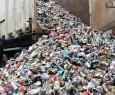
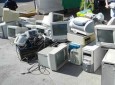
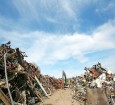
The first step in scrap metal recycling is collecting scrap metal from homes, businesses, demolition sites, workshops, and manufacturing centers. Examples of items that scrap metal buyers collect from various sources include wiring, stainless steel appliances, brass fixtures, aluminum cans, old radiators, and many more. The buyers often arrange transportation for larger quantities to take the hassle out of the whole process.
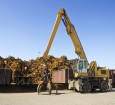
After collection, the next step is sorting the different types of metals. Scrap yards separate metals into two main categories: ferrous metals and non-ferrous metals. Ferrous metals contain iron and include materials like steel and cast iron, while non-ferrous metals include aluminum, copper, brass, and stainless steel.
Advanced technology and specialized equipment help streamline this process. Large magnets are used to pull ferrous metals away from other materials, while other methods such as sensors, manual sorting, and density separation help identify and organize non-ferrous metals.
Proper sorting is essential because different metals require different recycling processes and have varying market values. In addition, scrap metal buyers in Stockbridge, GA encourage sellers to sort their metals to maximize payouts and increase operation efficiency.
Once sorted, the scrap metal is processed to prepare it for melting. Large pieces of metal are often cut, crushed, or shredded into smaller pieces. This step makes the metal easier to transport and ensures it melts more efficiently during the scrap metal recycling stage.
Industrial shredders and crushers break down items such as appliances, car parts, and metal structures into manageable fragments. Removing non-metal materials like plastic, rubber, and insulation is also part of this stage to ensure the final product is pure metal.
The shredded metal is then transported to large furnaces where it is melted at extremely high temperatures. Each type of metal has a specific melting point, so scrap metal buyers use specialized furnaces designed for different metals.
During the melting process, scrap yards remove impurities through chemical treatments or filtration systems. This process may entail removing non-metallic particles and unwanted alloys and oxides. This purification process ensures that the recycled metal meets industry standards and can be used for manufacturing new products.
This is the final step in the scrap metal recycling process. After melting and purification, the molten metal is poured into molds to form bars, sheets, or blocks known as ingots. These ingots serve as raw materials for manufacturers that produce new metal products.
The recycled metal is then shipped to factories where it is used to create a wide range of items, including car parts, construction materials, appliances, packaging, and electronic components.
There you have it. This is the process that scrap yards follow to repurpose metal waste into reusable raw materials. If you’re planning on scrap metal recycling, RCM Recycling offers fair and competitive prices for scrap metals. This means choosing us as your go-to scrap metal buyers means you’ll promote environmental sustainability and your bank balance will benefit. Contact us today if you’re ready to recycle your scrap metals.