
JUN 06, 2026
Metal plays a critical role in the industry. Copper carries energy through the structures that we use every day, steel frames buildings, and aluminum shapes the cars. But the modern industry cannot afford to ignore the expense of obtaining all that metal from scratch.
As industries are increasingly under pressure to operate more responsibly and efficiently, recycling has become an integral part of how they manage their materials. That transformation has included the services provided by RCM Recycling. Therefore, our customers should understand the growing importance and what it's all about.
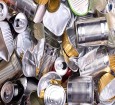
Mining raw ore requires a lot of energy, heavy equipment, and a lot of land disturbance. And recycling metal sidesteps most of that. For instance, recycling an aluminum can saves about 95% of the energy compared to producing one from raw bauxite.
The steel recycling statistics show the same situation. This directly leads to savings and a more predictable supply chain for manufacturers, construction firms, and fabricators. In addition to the environmental issues, recycled steel is a practical choice, as it is often easier to obtain than new mined metal.
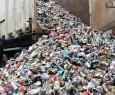
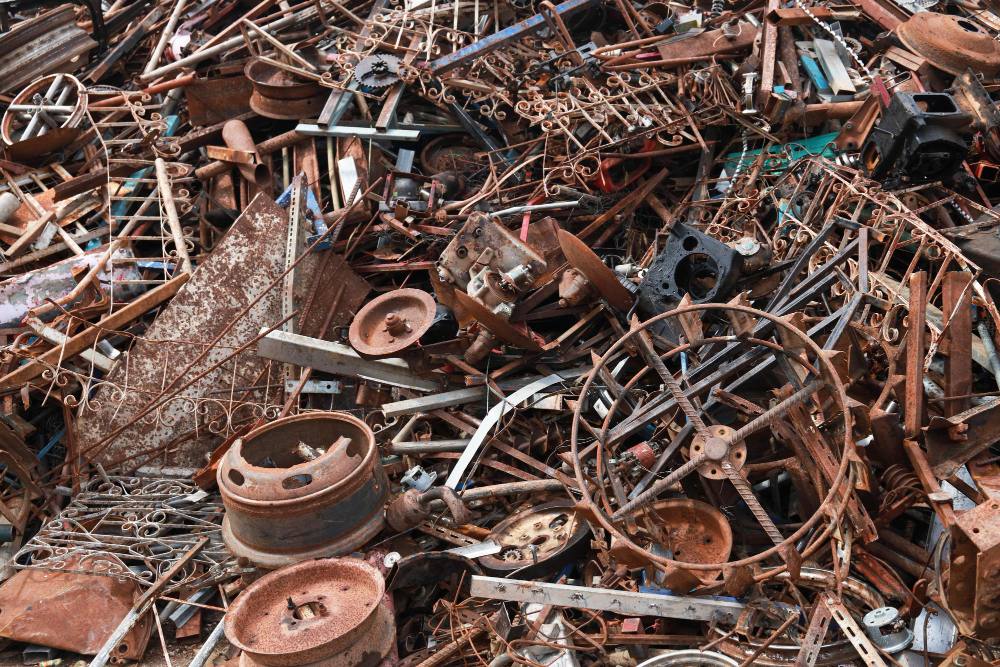
Scrap metal recycling is an important step in the industrial supply chain as it collects used and discarded metal, shapes it, and makes it ready for reuse. This keeps the material circulating, rather than filling up landfills or being left out where they are not useful.
Recycled feedstock has positive benefits for manufacturers in terms of price consistency and reduced dependence on international mining production. When raw materials become scarce and prices soar, businesses with access to recycled materials are less impacted.
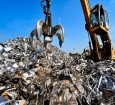
A good scrap yard is not just a place to throw away old metal. It is a sorting and processing plant, getting materials to industrial standards.
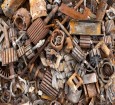
Metals are cleaned, graded, sorted by type, and made ready for the supply chain. With this level of order, recycled metal can be a viable alternative to virgin metal in businesses where quality is paramount. The sorting process ensures consistency in material specifications, a great need for infrastructure contractors, auto manufacturers, and appliance producers.
Scrap metal buyers serve as a link between the facilities where scrap metal is processed and the scrap metal sources. They work with manufacturers, fabricators, demolition crews and people to collect waste materials. Without customers in the market, all of that metal wouldn't be a part of the production cycle again. This means their presence in the industry helps to keep moving materials.
RCM Recycling takes that job seriously, as what can be given to industrial clients is directly affected by the amount and quality of incoming material.
Metal recycling has become an official part of the modern supply industry, as it reduces energy usage, stabilizes the supply chain, and avoids the waste of valuable materials. Every part of the system plays a vital role, from collection to processing and to production.
For businesses and individuals who want to be a part of that cycle, it is important to have a reliable and knowledgeable partner. From beginning to end, RCM Recycling is dedicated to meeting that need.