
JAN 02, 2026
Selling scrap metal to a nearby scrap yard is a great way to declutter your home and earn a bit of extra cash. In addition, scrap metal recycling helps to conserve resources and keeps scrap metals out of landfills. But have you ever wondered what happens to metal after you sell it? Not many people bother to know what happens to scrap metal after dropping it off at the yard.
In today’s blog post, RCM Recycling looks into what happens to scrap metal after it goes to the scrap yard. We are top-rated scrap metal buyers in Forsyth with a proven track record in the industry. If you’re looking for reliable scrap metal buyers, get in touch with us today.
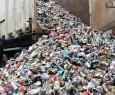
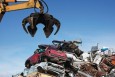
The first stage after metal is sold is collection and sorting. Scrap yards and recycling centers gather metal from individuals, businesses, and construction sites. Once collected, the metal is separated by type. This step is essential because different metals have different properties and melting points. Magnetic systems are used to separate ferrous metals, like steel and iron, from non-ferrous metals such as aluminum, copper, and brass. Proper sorting ensures the recycling process runs efficiently and produces high-quality materials.
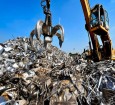
After sorting, the metal goes through cleaning and processing. Many metal items still contain dirt, paint, plastic, or rubber. These materials must be removed before recycling can continue. The metal is usually shredded into smaller pieces, making it easier to clean and handle. Shredding also helps separate any remaining non-metal components. At the end of this stage, the metal is ready to be melted.
Next, the processed metal is melted in large industrial furnaces. Each type of metal is melted in a furnace designed for its specific melting temperature. For example, aluminum melts at a lower temperature than steel. Recycling metal uses less energy than producing metal from raw ore. During melting, impurities rise to the surface and are removed, improving the purity of the molten metal.
Once melted, the metal may undergo additional purification processes, such as chemical treatments or electrolysis, depending on how it will be used. The purified molten metal is then poured into molds to create bars, sheets, or coils. These standard shapes make transportation and manufacturing more efficient.
In the final stage, recycled metal is sold to manufacturers. These companies use the metal to create new products. Aluminum may become beverage cans or bicycle frames, steel can be used in cars or buildings, and copper often becomes electrical wiring or plumbing pipes. Recycled metal is just as strong and reliable as newly mined metal.
Selling metal helps support a circular economy, where materials are reused instead of thrown away. This process reduces mining, saves energy, lowers greenhouse gas emissions, and keeps waste out of landfills. What starts as scrap metal can be recycled repeatedly without losing quality, making scrap metal recycling one of the most sustainable practices in modern industry.
Looking for top-paying scrap metal buyers? Look no further than RCM Recycling. We are a locally owned and operated scrap metal recycling company that accepts a wide range of ferrous and non-ferrous metals. Not only do we offer the best prices for scrap metals, but we also streamline the pickup and drop-off process to make it easy for our customers to get rid of scrap metal. This is why we’ve received countless 5-star reviews from satisfied customers. Contact us now to learn more about our recycling services.