
JUN 10, 2026
Used car batteries are dangerous when they arrive at the scrap yard. If not handled correctly, they can be harmful to your health and cause damage to the environment.
Some people, without realizing the risks, keep broken batteries in garages or leave them exposed outdoors. To prevent these batteries from ending up in landfills or creating pollution, businesses like RCM Recycling work to ensure that they are processed properly and safely.
A defunct car battery might look harmless from the outside; however, most of them contain lead and sulphuric acid. If the casing breaks or spills, the acid can burn skin, damage surfaces, and pollute the soil or water in the surrounding area (on site). Damaged batteries may emit gases that can be toxic in an enclosed area.
For this reason, batteries should never be placed in household trash bins or exposed to heat for extended periods.
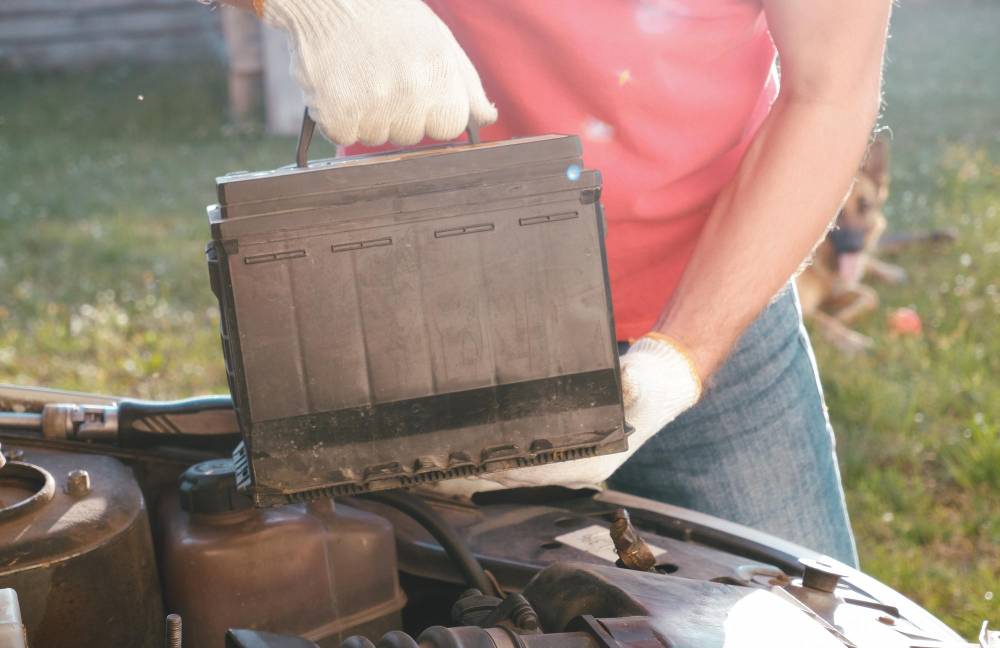
If you have an old battery, check it for damage. Do not touch any corrosion, leaks, or cracks around the terminals, and wear protective gloves when handling.
Keep the battery upright at all times to minimize the risk of leakage. If you are carrying the battery, pack it in a sturdy plastic container or tray to avoid spillage. It is also important to store the battery in a dry, cool location, away from children and pets, until it can be safely moved.
Do not place unsecured batteries in an auto trunk without help, because during transport, sudden motions can cause acid leakages, and if the casings are weaker, they can crack.
Scrap metal buyers often advise customers to use heavy materials or containers to keep the battery steady when driving and not to stack batteries together unless they are safely separated. And if the acid spills during transit, instantly clean the area carefully.
Once taken there, car batteries go through a carefully controlled process designed to ensure safe extraction of the components that can be recycled. Lead, plastic, and acid can be recovered and reused to make new products.
RCM Recycling adheres to rigorous standards to reduce environmental impact and improve material recovery. Our solution helps to reduce the use of raw materials and minimize waste.
People make the mistake of abandoning old batteries outside. Rainwater can spread out hazardous materials in the surrounding soil and drains.
Another common issue is trying to open batteries at home to extract the metal. This should be avoided at all costs because of the serious exposure risks.
Good scrap metal buyers will often provide recommendations on the correct way to prepare their metal for disposal, which can help clients avoid unnecessary handling risks.
If properly handled, the materials found in car batteries can be used many times. This helps in reducing pollution. A good scrapyard will ensure that any harmful materials are disposed of correctly without causing any long-term dangers to the environment.
Never dispose of dead car batteries in your regular trash. Proper storage, safe transportation, and responsible disposal at the scrap yard will all contribute to reducing accidents and damage to the environment.
When you use RCM Recycling services, you can be confident that all of your hazardous items will be handled safely throughout the entire process. These safety measures will ensure the safety of people as well as the environment around them.